 ultimate-guide
Curb Appeal Tips for Selling a House in 2026
Table of Contents
- Why Curb Appeal Tips for Selling a House Matter More Than Ever
- Low-Cost Curb Appeal Improvements That Deliver High Impact
- Front Yard Landscaping Ideas Before Selling Your Home
- Front Door Curb Appeal Ideas That Wow Buyers
- Curb Appeal Mistakes to Avoid When Selling
- Prioritizing Improvements: A Budget and Timeline Framework
- Conclusion: Your Next Steps for Maximum Curb Appeal
- Frequently Asked Questions
Last Updated: October 12, 2026
Why Curb Appeal Tips for Selling a House Matter More Than Ever
Curb appeal tips for selling a house start with a simple reality: buyers decide in seconds. Homes that look cared for from the street draw more showings, more serious offers, and fewer price objections.
Curb appeal is the combined visual impression a property makes from the street, covering the lawn, landscaping, front entrance, paint, and lighting. It is the first filter buyers apply, often before they ever schedule a tour.
The stakes are higher in 2026 because most buyers now screen listings online first. According to National Association of Realtors guidance on home preparation and marketing, listing photos drive the decision to visit in person, which means the street-facing view has to work in a photograph and at the curb.
Low-Cost Curb Appeal Improvements That Deliver High Impact
Low-cost curb appeal improvements focus on cleaning, tidying, and small repairs rather than replacement. Start here before you spend on anything structural.
Quick Fixes Under $100
- Edge the lawn along the walkway and driveway for a crisp, defined line
- Pull weeds from garden beds and cracks in the pavement
- Pressure-wash the front walk, porch, and driveway
- Replace the welcome mat and swap in matching house numbers
A common mistake is skipping the pressure-washing: grimy concrete undercuts every other improvement, and it is one of the cheapest fixes available.
Weekend Projects Under $500
- Add a fresh layer of mulch to garden beds for instant color contrast
- Plant seasonal flowers in containers flanking the front door
- Repaint the front door and touch up trim
- Replace outdated porch light fixtures
These projects are the sweet spot for sellers on a tight timeline: visible from the street, they photograph well and require no permits or contractor.
Front Yard Landscaping Ideas Before Selling Your Home
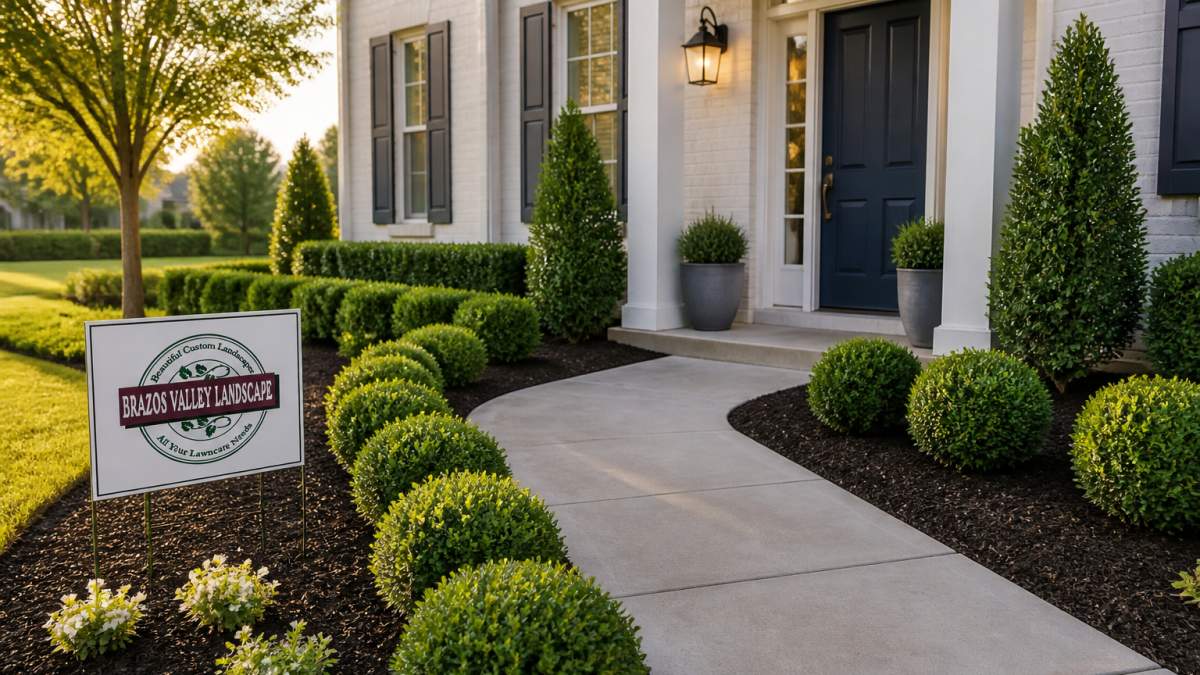
Front yard landscaping ideas before selling should prioritize neatness and clear sightlines over ambitious design. Buyers want a yard that looks easy to maintain, not a project they will inherit.
Match the Plan to the Property
Adjust your approach to the situation:
- Occupied home: Keep it lived-in but tidy. Store hoses, toys, and bins out of the street-facing view, and keep the lawn on a consistent mowing schedule so it never looks neglected between showings.
- Vacant home: Curb appeal carries extra weight because there is no furniture or staging to soften the impression. Add container plantings at the entry, keep the lawn mowed on a set schedule, and consider a low-maintenance ground cover in beds so the yard does not look abandoned.
- Fixer-upper: Do not hide problems, but do remove the signals of active neglect, overgrown beds, dead shrubs, and debris. A clean, cleared yard reads as "ready for your ideas" rather than "falling apart."
- Limited maintenance budget: Focus on the lawn and the first ten feet from the curb. That is the zone buyers actually see in listing photos and on arrival.
Lawn and Garden Bed Refresh
The lawn is the largest single element in the street-facing view, so it carries the most weight. Mow, edge, and water consistently in the weeks before listing.
Sellers often overwater in the final week to force green-up, leaving soggy beds and muddy walkways on showing day. Water on a steady schedule instead, and stop the day before an open house so the yard is dry underfoot.
Seasonal and Climate Adjustments
Plan around the calendar and the local climate:
- Spring: Fresh mulch and seasonal color deliver the biggest lift, but hold off on heavy pruning of spring-blooming shrubs until after they flower.
- Summer: Heat stress shows fast. Water deeply and less often, mow higher to shade the soil, and avoid planting new sod or shrubs in the hottest weeks unless you can commit to daily watering.
- Fall: This is prime listing season for many markets. Rake leaves promptly, keep gutters clear, and plant cool-season color like pansies or ornamental cabbage for instant curb presence.
- Winter: In cold markets, keep walkways and the driveway clear of snow and ice, and use planters with evergreen branches or berries so the entry does not look bare.
If your area has water restrictions or drought conditions, choose drought-tolerant plants and gravel or mulch ground cover instead of thirsty turf. Buyers in those markets often read a high-water landscape as an ongoing cost, not a selling point.
Hardscaping and Walkway Updates
A clear, safe walkway signals that the property is well kept. Repair cracked concrete, reset loose pavers, and remove anything blocking the path to the door.
Before you change hardscape, check two things: whether your neighborhood or homeowners association restricts fence, shed, or hardscape changes, and whether the work needs a permit. For anything involving permits or structural change, HUD guidance on home improvements and property standards is a useful starting reference.
Front Door Curb Appeal Ideas That Wow Buyers
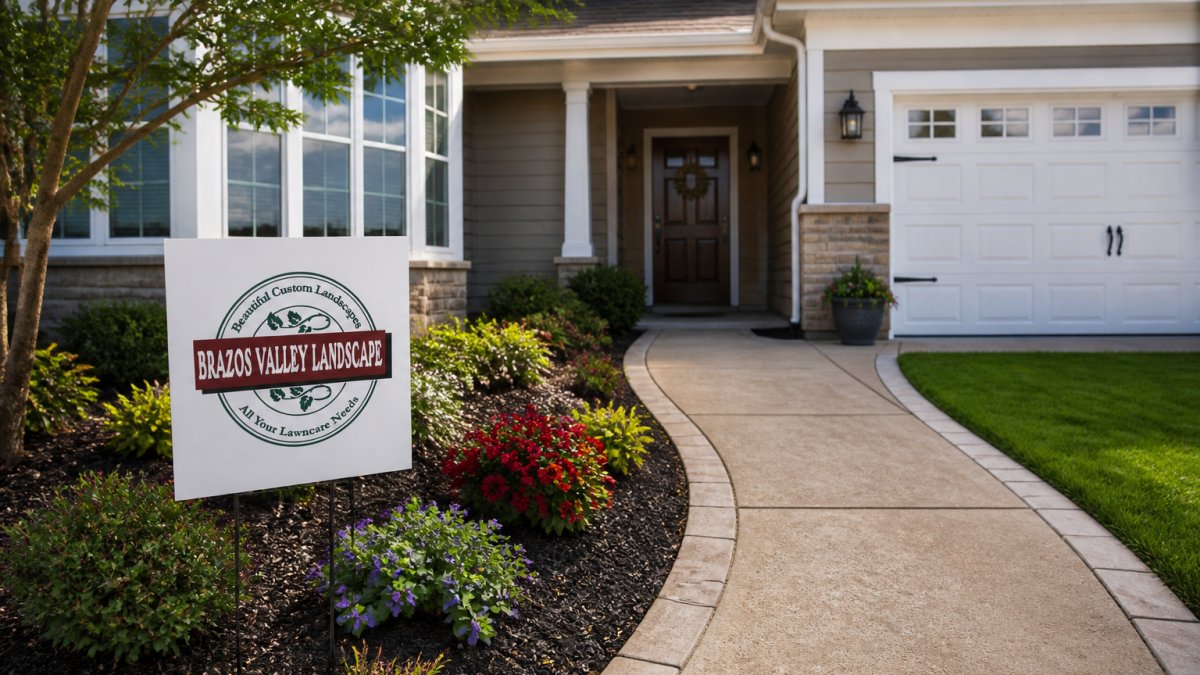
Front door curb appeal ideas come down to color, hardware, and lighting. The entry is the focal point of the street-facing view and the element buyers study most closely in listing photos, so it deserves the most attention per square foot of any project on your list.
Choosing a Door Color That Reads in Photos
A fresh coat of exterior paint on the door, clean trim, and updated hardware transform the entry for a modest cost. The goal is contrast: the door should stand out against the siding so it reads as a focal point in a small listing thumbnail.
Before you commit, check whether your neighborhood or HOA restricts exterior paint colors. Unapproved colors are a common reason a sale hits a snag, and repainting to comply costs more than choosing an approved color the first time.
Hardware, House Numbers, and Lighting
Small details at the entry do more work than their cost suggests:
- Replace worn or mismatched knobs, deadbolts, and kick plates with a single matching finish, brushed nickel, matte black, and oil-rubbed bronze are the most widely accepted.
- Swap outdated house numbers for clean, readable numerals sized so they are legible from the street and in a photo.
- Add or upgrade a porch light so the entry works after dark, and choose a warm bulb color rather than a harsh white one.
- Keep the welcome mat, planters, and any seating tidy and proportional to the space.
For sellers who want the entry handled professionally, Brazos Valley Landscape, Inc. offers services that can frame the door and enhance curb appeal.
Make the Entry Safe and Easy to Reach
A well-lit, unobstructed path matters as much as the door color:
- Clear the walkway of trip hazards, uneven pavers, loose gravel, garden hoses, and low branches.
- Add a handrail on any steps, and make sure it is secure.
- Keep the path and porch well lit, including a light near the steps if the route is long.
- Ensure the door opens smoothly and the threshold is not a trip point.
These details read as care and remove objections a buyer might raise during a walkthrough.
A Pre-Listing Entry Checklist
Run this the day before photos and again before each showing:
- Door wiped clean, hardware polished, and any scuffs touched up
- Porch swept, cobwebs removed, and light fixtures dusted
- House numbers clean and readable from the street
- Welcome mat straight and in good condition
Curb Appeal Mistakes to Avoid When Selling
Curb appeal mistakes to avoid when selling mostly involve overdoing it or ignoring the obvious. The goal is a property that looks maintained and welcoming, not one hiding something.
- Overplanting beds so heavily that the yard looks like constant work
- Choosing bold paint colors that clash with the siding and trim
- Leaving visible repairs, peeling paint, or damaged siding unaddressed
- Ignoring clutter: hoses, toys, bins, and tools in the street-facing view
That last point catches sellers more often than they expect. Rules on fences, sheds, and hardscape vary by neighborhood and jurisdiction, so confirm requirements before you build. For anything involving permits or structural change, HUD guidance on home improvements and property standards is a useful starting reference.
Prioritizing Improvements: A Budget and Timeline Framework
Prioritizing improvements by budget, time, and expected return keeps sellers from wasting money on the wrong projects. Sequence your work with this framework.
| Priority | Project Type | Typical Time | Why It Comes First |
|---|---|---|---|
| 1 | Cleaning and pressure-washing | 1 day | Removes neglect signals cheaply |
| 2 | Lawn and bed refresh | 1-2 weekends | Largest visible surface |
| 3 | Front door paint and hardware | 1 weekend | Focal point of the view |
| 4 | Lighting and house numbers | 1 day | Improves evening and photo appeal |
| 5 | Walkway and hardscape repair | 1-3 weekends | Safety and clear arrival |
| 6 | Exterior paint and siding repairs | 1-2 weeks | Highest cost, biggest visual reset |
Work top to bottom. If your timeline is short, stop after priority three and you will still have addressed the elements buyers notice first.
Conclusion: Your Next Steps for Maximum Curb Appeal
The sellers who get the best results treat curb appeal as a sequence, not a shopping list. Clean first, refresh the lawn and beds, then invest in the front door and entry.
If you are preparing a property in the Brazos Valley area and want the exterior handled professionally, Brazos Valley Landscape, Inc. offers custom landscape design and installation, hardscaping, and entryway improvements built to hold up through showings.
Frequently Asked Questions
What adds the most curb appeal when selling a house?
The most impactful curb appeal updates include a freshly painted front door, a well-maintained lawn, and clean walkways. According to the National Association of Realtors, 97% of realtors say curb appeal is important for attracting buyers. Prioritize projects that are visible from the street: mow and edge the lawn, prune overgrown shrubs, apply fresh mulch, and pressure-wash the driveway and siding. These tasks cost little but dramatically improve first impressions.
What are the best low-cost curb appeal improvements before selling?
Low-cost options under $100 include repainting your front door, adding new house numbers, installing a stylish welcome mat, and planting seasonal flowers in containers. Under $500, consider pressure-washing the driveway, replacing outdated light fixtures, and adding a fresh layer of mulch to garden beds. These updates brighten the home's exterior and make it feel well-cared-for without a major investment.
What curb appeal mistakes should sellers avoid?
Avoid overgrown landscaping, peeling paint, cluttered porches, and mismatched or outdated hardware. Neglecting the driveway and walkways can also hurt. Another common mistake is making improvements that don't match the neighborhood's style. Instead, focus on clean, neutral updates that appeal to a broad range of buyers. Also, don't forget to remove personal items and keep the entryway inviting.
How long before listing should I start improving curb appeal?
Start at least 4-6 weeks before listing, especially if you plan to paint, pressure-wash, or do major landscaping. This gives plants time to settle and paint to cure. For quick fixes like decluttering or adding new hardware, a week is enough. If you're hiring a professional landscaper, schedule early to ensure availability and allow time for design and installation.
Do exterior improvements help a house sell faster?
Yes, homes with strong curb appeal tend to sell faster. According to a 2023 NAR survey, 63% of buyers said curb appeal influenced their decision to tour a home. Simple upgrades like fresh mulch, a manicured lawn, and a clean front door can reduce time on market. While results vary by location and price point, investing in curb appeal is a proven way to attract more interest.