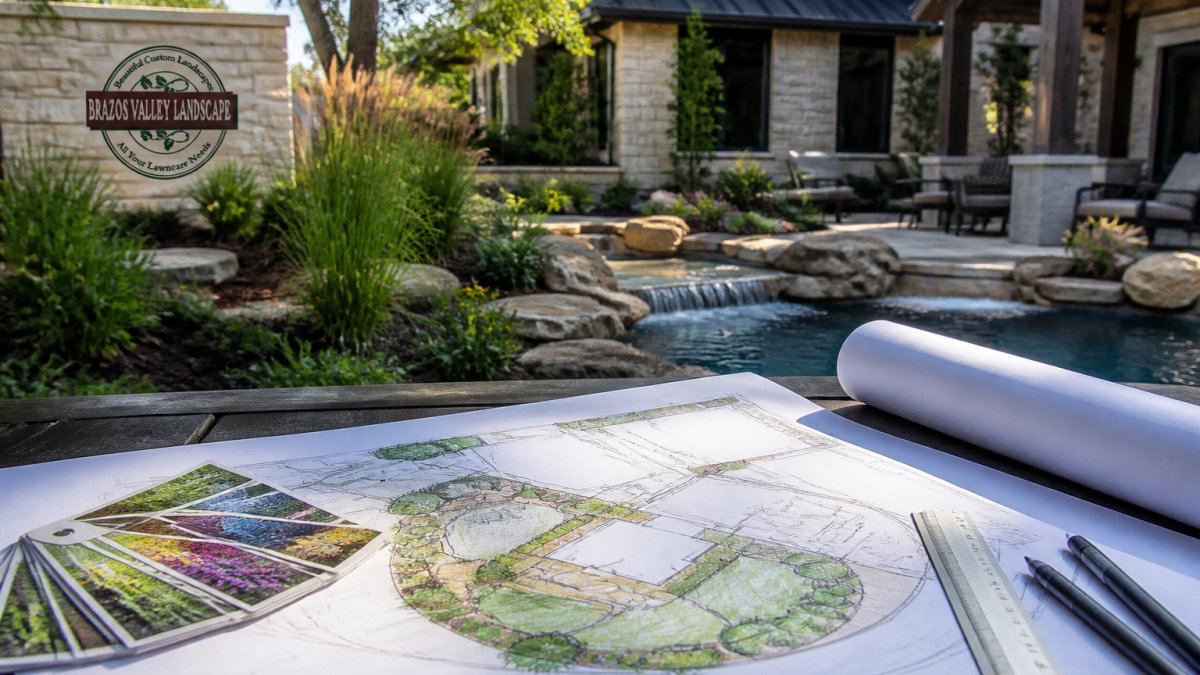
 listicle
7 Benefits of Professional Landscape Design for Your Home
Last Updated: October 24, 2026
Quick Summary
Professional landscape design plans your outdoor space around how you actually move, gather, and relax, so a designed yard gets used instead of just mowed. It delivers a functional layout for outdoor living, privacy, and shade, plant selection matched to your soil and drainage, and improvements that hold up at resale. The benefits show up fastest in daily use, long before they show up at resale.
- A yard without a plan collects a patio in one corner, a shed in another, and a bare patch where the dog runs.
- Spend on what a buyer photographs: the entry, the walkway, and the view from the front window.
- Fix drainage and grading first, because a wet foundation undermines every other improvement.
- Grouping plants by water need, called hydrozoning, is the most effective way to cut irrigation demand.
- The design process runs in a fixed order, and skipping a step causes expensive rework later.
Table of Contents
- Why Professional Landscape Design Changes How You Use Your Yard
- Curb Appeal and Home Value: What a Designed Landscape Actually Returns
- The Benefits of Hiring a Landscape Designer Instead of DIY
- A Functional Layout: Outdoor Living Space, Privacy, and Shade
- Plant Selection, Soil Conditions, and Drainage That Hold Up
- What Professional Landscape Design Cost Includes
- Inside the Landscape Design Process, Step by Step
- Landscape Design Consultation Questions to Ask Before You Sign
- Frequently Asked Questions
Why Professional Landscape Design Changes How You Use Your Yard
Professional landscape design is the practice of planning a property's outdoor space around how the people who live there actually move, gather, and relax.
That distinction matters more than most homeowners expect.
Below, we'll show you exactly what a professional plan delivers and what to ask before you sign anything. To see the actual service and book a consultation, explore landscape design.
Curb Appeal and Home Value: What a Designed Landscape Actually Returns
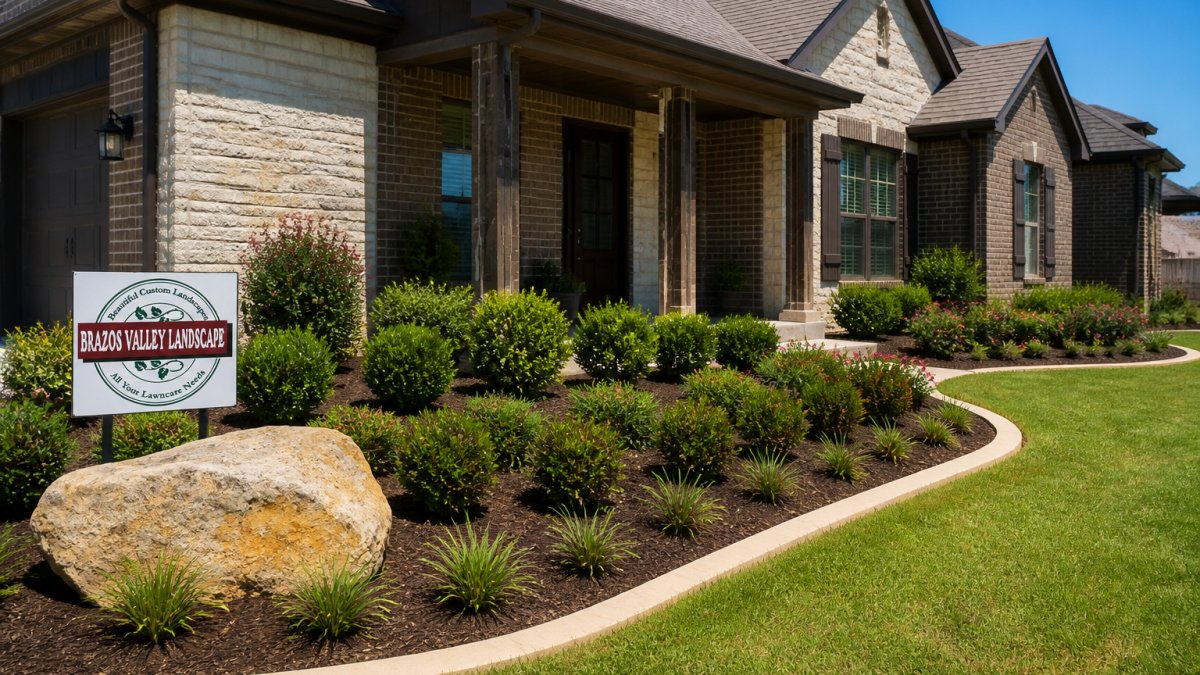
Curb appeal is the first impression a property makes from the street, and it is the benefit homeowners ask about first. A designed front yard reads as cared-for, which is the signal buyers and appraisers respond to.
Fresh mulch and trimmed shrubs do not add the same value as a new patio, a corrected drainage grade, or a mature shade tree placed correctly. That distinction is the whole game.
What actually drives the return
Four factors separate a landscape investment that shows up at resale from one that disappears:
- Visibility. The entry, the walkway, and the view from the front window are photographed and remembered. A redesigned back garden is enjoyed daily but rarely priced into an offer.
- Permanence. Hardscape, grading, irrigation, and mature trees are structural. Annual color and container plantings are not.
- Condition at sale. A design that was installed and then neglected reads as a liability, not an asset. Buyers see overgrown beds as deferred maintenance.
The caveats most articles skip
Resale-value claims are easy to repeat and hard to verify. A few honest caveats:
- Design quality matters more than spend. A modest, well-proportioned plan outperforms an expensive plan that fights the site.
- Maintenance is part of the return. A landscape that requires weekly professional care carries an ongoing cost that buyers factor in.
- Over-improvement is real. A landscape that outclasses the house and the block does not return its cost.
What we tell clients preparing to sell is simpler. Spend on the things a buyer photographs: the entry, the walkway, the view from the front window. Fix drainage and grading first, because a wet foundation or a crumbling walkway undermines every other improvement. For a practical sequence of quick wins, see our guide on how to improve curb appeal fast.
The Benefits of Hiring a Landscape Designer Instead of DIY
The benefits of hiring a landscape designer come down to decisions made before anyone lifts a shovel. A designer tests ideas on paper, where changes are free, instead of in the yard, where they are not.
DIY landscaping usually fails at the same three points:
- Scale. Plants bought small and spaced tight overwhelm a bed in three years.
- Sequence. Hardscape installed before grading means tearing out pavers to fix drainage.
- Plant choice. The wrong plant for the light and soil dies, gets replaced, and dies again.
A designer also carries the trade relationships that keep a project moving. If you want the longer version of this decision, our guide to hiring a professional landscape design firm walks through contracts, portfolios, and red flags.
Watch out: the most expensive mistake is a homeowner who buys hardscape materials first and plans second. The plan should drive the purchase order, never the reverse.
A Functional Layout: Outdoor Living Space, Privacy, and Shade
A functional layout assigns each part of the yard a job.
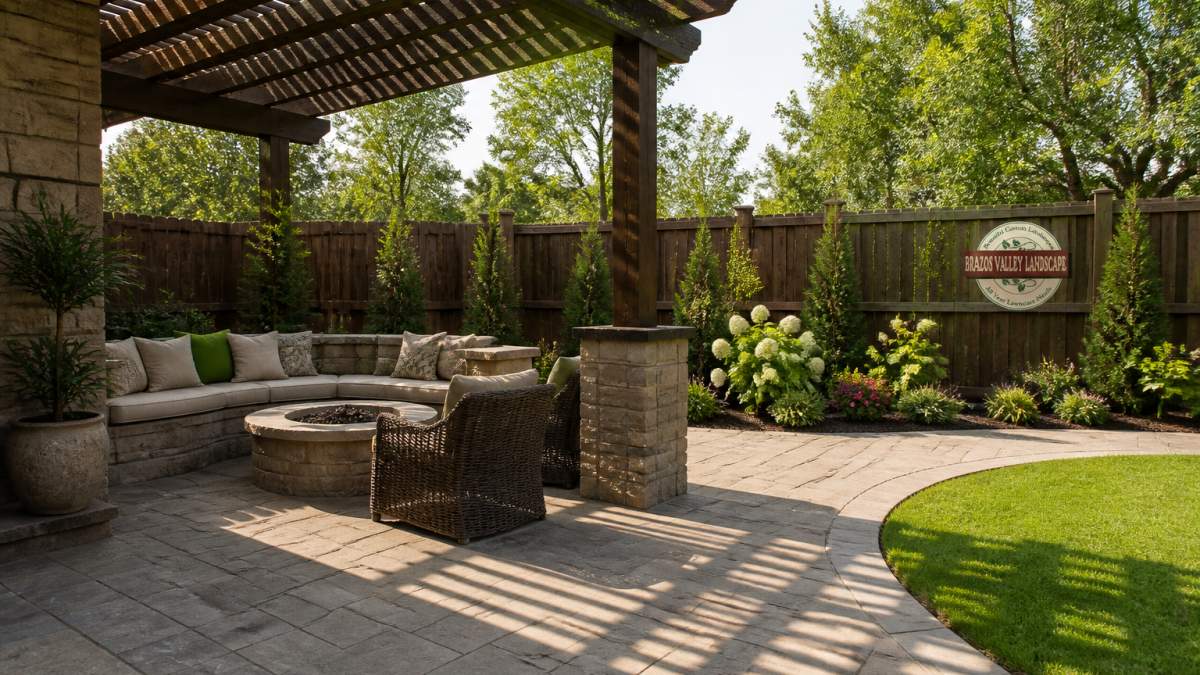
Start with how you want to spend time outside. Dining for six needs different dimensions than a fire pit circle or a quiet reading corner.
Small yards are not a barrier. Tight lots often produce the best layouts because every square foot has to earn its place.
Plant Selection, Soil Conditions, and Drainage That Hold Up
Plant selection only works when it follows the site. Sun exposure, soil conditions, and drainage decide which plants thrive long before aesthetics enter the conversation. But the part most homeowners underestimate is how much the plan has to absorb, heat, drought, heavy rain, and the slow shift in what survives locally. A planting plan built for today's conditions and not the next decade is a plan that gets replanted.
Start with a real site analysis
We begin with the ground itself: where the sun lands in summer and winter, where water stands after a heavy rain, and what the soil is actually made of. Compacted builder fill behaves nothing like native topsoil, and a plant that sulks in one will thrive in the other. We note existing plants worth keeping, because mature specimens are expensive to replace and often anchor the design.
Choose plants for resilience, not just looks
Native and climate-appropriate plants usually win here, because they need less water and fewer replacements once established. The practical rule is to match the plant to the microclimate, not to the catalog photo:
- Full-sun, reflected-heat spots near driveways and south-facing walls need tough, drought-tolerant species.
- Low, wet corners need plants that tolerate periodic saturation, not plants that rot at the crown.
- Shade under mature trees needs species that compete with roots for water and light.
Grouping plants by water need, hydrozoning, is the single most effective way to cut irrigation demand without sacrificing the design. A common pattern is to keep the highest-water zones small and close to the house, and push drought-tolerant plantings to the perimeter.
Manage water on purpose
Drainage is the part homeowners underestimate. Water pooling against a foundation or across a walkway is a structural problem, not a cosmetic one, and no amount of planting fixes it. Grading, French drains, and channel drains solve it. On the flip side, stormwater is a resource: rain gardens, bioswales, and permeable hardscape can slow runoff, recharge soil moisture, and reduce irrigation needs. If water pools in your yard every time it rains, explore our drainage solutions before you spend a dollar on plants.
Plan for the climate you are actually in
A resilient landscape assumes extremes: longer dry spells, heavier downpours, and warmer winters. That means:
- Drought-tolerant backbone plantings that survive a restricted watering schedule.
- Deep organic mulch to hold soil moisture and moderate root-zone temperature.
- Smart irrigation with separate zones and a rain sensor, so water goes where it is needed and not onto the sidewalk.
Horticulture knowledge is what separates a planting plan that looks good on installation day from one that still looks good in year five. The goal is a landscape that gets hardier and cheaper to maintain as it matures, not one that demands more every season.
What Professional Landscape Design Cost Includes
Professional landscape design cost reflects time, expertise, and documentation, not just a drawing. Pricing depends on property size, project complexity, and how much construction is involved, so we quote each project individually.
A design fee typically covers:
- Site analysis and measurements
- Concept options and revisions
- A planting plan with species and sizes
Installation is priced separately, and it is where most of the money goes. Ask for the design and installation numbers as two line items, so you can see what you are buying at each stage. For current pricing on your property, contact us for a quote.
Inside the Landscape Design Process, Step by Step
The landscape design process runs in a fixed order, and skipping a step is what causes expensive rework later.
- Consultation. We walk the property, listen to how you want to use it, and set a realistic budget.
- Site analysis. We measure, map sun and shade, test drainage, and note existing plants worth keeping.
- Concept design. You see one or two layout options with hardscape and planting zones.
- Design development. The chosen concept becomes a detailed plan with species, sizes, and materials.
- Bidding and scheduling. Installation is priced and sequenced.
- Installation. Hardscape first, then planting, then irrigation and lighting.
- Walkthrough. We review the finished work and hand over a maintenance plan.
Most delays come from decisions made late, so the clients who move fastest are the ones who settle the layout before installation begins.
Here is the fixed order a professional landscape design project follows, from first walk-through to final handover.
| Step | What happens |
|---|---|
| Consultation | Walk the property, discuss use, set a realistic budget |
| Site analysis | Measure, map sun and shade, test drainage, note plants to keep |
| Concept design | One or two layout options with hardscape and planting zones |
| Design development | Detailed plan with species, sizes, and materials |
| Bidding and scheduling | Installation priced and sequenced |
| Installation | Hardscape first, then planting, then irrigation and lighting |
| Walkthrough | Review finished work and hand over a maintenance plan |
Landscape Design Consultation Questions to Ask Before You Sign
The right landscape design consultation questions separate a firm that plans from one that improvises. Ask them before you sign, and listen for specific answers rather than reassurances.
- Who draws the plan, and can I see a sample?
- What happens if I want changes after the concept stage?
- How do you handle drainage and grading?
If a firm cannot answer the drainage and phasing questions clearly, that tells you something. When you are ready to talk through your property, get in touch with our team and we will walk it with you.
Frequently Asked Questions
What are the benefits of hiring a professional landscape designer?
A landscape designer brings site analysis, plant knowledge, and construction detailing that most homeowners cannot replicate alone. That means fewer plants placed in the wrong sun exposure, drainage planned before hardscape goes in, and a layout that fits how you actually use the yard. Designers also coordinate installation, which reduces change orders and rework. The result is a landscape that performs over time instead of needing replacement in two or three seasons.
Does professional landscaping add value to a home?
A designed landscape supports resale value through curb appeal, but treat it as a supporting factor rather than a guaranteed return. Buyers respond to mature plantings, clean hardscape, and a yard that reads as low maintenance. Value gains depend on your local market, how long you stay, and whether the design matches the house. Ask a designer to prioritize the front yard and visible zones if you plan to sell within a year, since those areas influence buyer first impressions most.
How much does professional landscape design cost?
Professional landscape design cost depends on property size, the complexity of hardscape and grading, plant quantities, and whether you want construction drawings. Design fees are often separate from installation, so ask for both figures in writing. Request an itemized quote so you can see design, materials, labor, and any permits broken out.
What should I ask during a landscape design consultation?
Ask how the designer handles drainage and grading, who manages the installation crew, and what the timeline looks like from plan to finished yard. Request a sample plan so you know the level of detail you are paying for. Ask about plant warranties, irrigation coverage, and how change orders are priced. Finally, ask who your point of contact is during construction and how often you will get updates, since communication gaps are the most common complaint homeowners raise about contractors.
A yard that works takes a plan, a sequence, and someone accountable for both. Brazos Valley Landscape, Inc. handles comprehensive landscaping and hardscaping, custom outdoor living structures, and cost-effective design and installation from concept through the final walkthrough. Get started with Brazos Valley Landscape, Inc. and turn the outdoor vision you have been describing into a space you actually use.