
 how-to
How to Fix Standing Water in Yard: 7 Proven Steps
Table of Contents
- How to Find the Source of Standing Water in Your Yard
- Yard Grading and Leveling: The First Fix for Water Pooling
- French Drain Installation Cost and What Affects It
- Fixing Soil Compaction and Saturation with Aeration and Amendments
- Downspout Extensions and Surface Water Management
- Best Plants for Wet Soil and Rain Garden Design
- Maintenance Schedule to Prevent Future Standing Water
- Conclusion
- Frequently Asked Questions
Last Updated: September 30, 2026
How to Find the Source of Standing Water in Your Yard
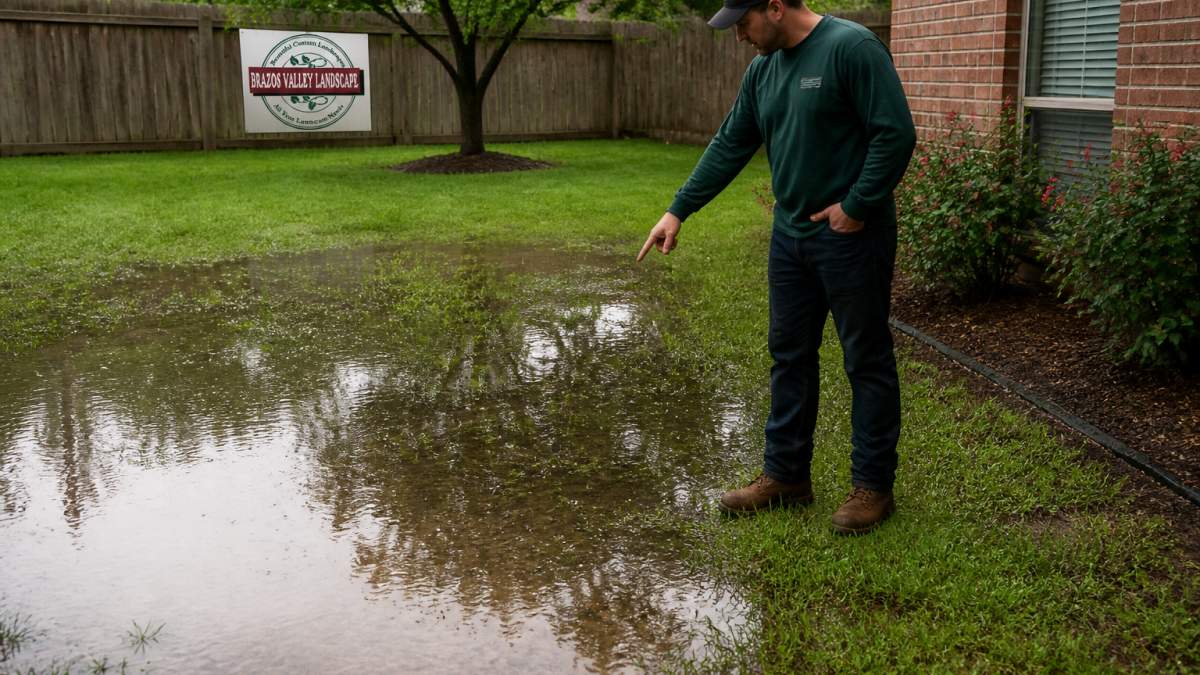
Standing water in your yard is a drainage problem with a specific source, and finding that source is the first step to fixing it. Water always follows the lowest path. Your job is to find where it enters and why it stops moving.
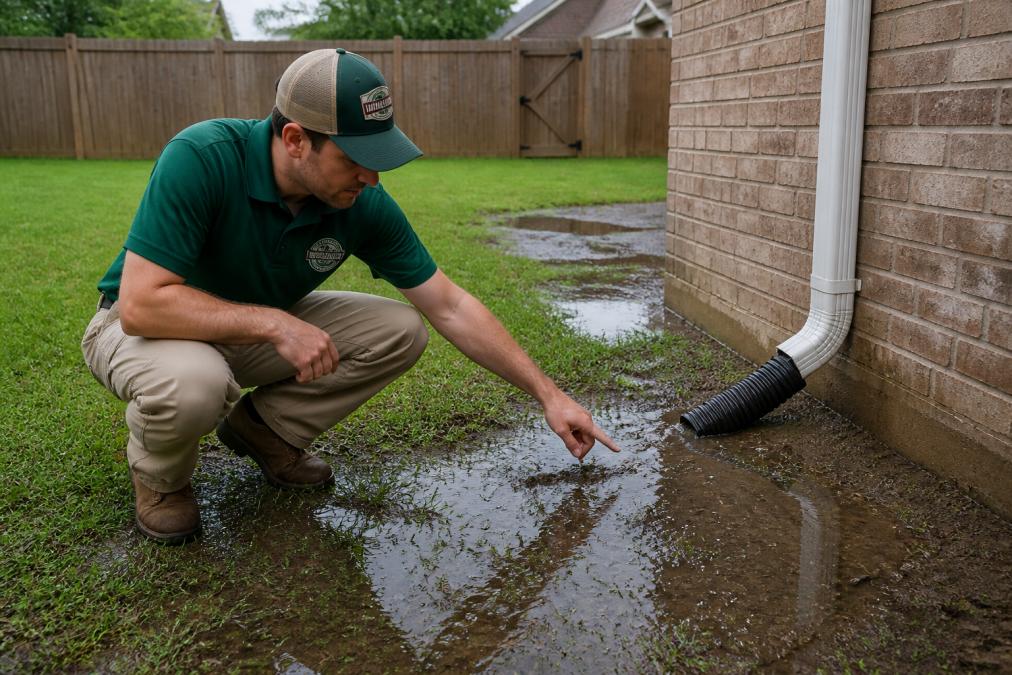
Here's how to trace it:
- Go outside during or right after a heavy rain
- Walk the yard and note every spot where water sits
- Check if the pooling is near a downspout, a slope, or a low corner
- Dig a small test hole 6-8 inches deep and see if water fills it
- Watch which direction surface water flows across your lot
Yard Grading and Leveling: The First Fix for Water Pooling
Yard grading and leveling is the process of reshaping your soil so water flows away from your home instead of pooling. It's the cheapest fix and the one most homeowners skip.
How to Check Your Yard's Slope
You don't need fancy tools. A long board, a level, and a tape measure will do.
- Place a 4-foot level on the ground near your foundation
- Lift one end until the bubble centers
- Measure the gap between the low end and the ground
- Repeat this check every 10 feet moving away from the house
When to Regrade vs. When to Add a Swale
Regrade when the whole yard slopes the wrong way. Add a swale when most of the yard is fine but one area traps water.
French Drain Installation Cost and What Affects It
French drain installation cost depends on the length of the trench, your soil type, and whether you hire a pro or do it yourself. There's no single number, because every yard is different, but you can build a realistic estimate by pricing the parts separately.
What You're Actually Paying For
Every French drain quote breaks down into the same four buckets. Knowing them lets you compare bids and spot padding.
- Labor and excavation, the biggest line item. Hand digging a 100-foot trench through clay can take a full weekend; a trencher does it in hours but costs more to rent.
- Materials, perforated pipe, washed gravel, filter fabric, and a catch basin or dry well at the outlet.
- Disposal, hauling away excavated soil. In many areas this is a separate fee.
- Restoration, sod, seed, or mulch to cover the trench after backfill.
Cost Drivers, Ranked by Impact
- Trench length and depth. A shallow surface drain is cheaper than a deep subsurface drain. Depth drives both labor and gravel volume.
- Outlet destination. Tying into a storm drain or dry well costs more than daylighting the pipe on a downhill slope.
- Soil conditions. Clay is harder to dig than sand and drains slower, so it often needs a wider gravel envelope.
- Add-ons. A catch basin, sump pump, or pop-up emitter each adds cost.
- Permits. If your jurisdiction regulates stormwater discharge, expect a permit fee and possible inspection.
DIY vs. Professional Installation
DIY makes sense for a short, shallow trench in easy soil. You'll need a shovel, gravel, perforated pipe, and filter fabric. The trade-off is time and the risk of getting the slope wrong, a French drain needs a consistent fall of roughly 1 inch per 10 feet to move water.
Get a Real Number
Because pricing swings so widely by region and site, the only reliable figure is a site-specific quote. Ask any contractor to itemize labor, materials, disposal, and restoration separately so you can see where the money goes, and get at least two bids for anything over a short DIY trench.
Fixing Soil Compaction and Saturation with Aeration and Amendments
Soil compaction and saturation are the hidden causes behind many drainage problems. When soil is packed tight, water can't soak in, so it sits on top.
- Compost to break up clay and add organic matter
- Topsoil to build up low spots and improve texture
Here's a simple approach:
- Aerate in early fall or spring when grass is growing
- Spread a half-inch layer of compost over the problem area
- Water it in so it works into the aeration holes
- Repeat once or twice a year for heavy clay
Downspout Extensions and Surface Water Management
A downspout extension is a simple add-on that carries roof water several feet away from your foundation. It's one of the cheapest fixes and one of the most effective.
Here's what to do:
- Add a 4-6 foot extension to every downspout
- Point the outlet toward a slope, swale, or drain
- Use a splash block if the ground is flat
- Check extensions after storms to make sure they haven't come loose
Best Plants for Wet Soil and Rain Garden Design
The best plants for wet soil are native species that tolerate short periods of flooding and dry spells in between. A rain garden puts them to work soaking up runoff, and it's the rare drainage fix that looks intentional rather than industrial.
Match the Plant to the Zone
A rain garden has three moisture zones, and planting the wrong plant in the wrong zone is the most common reason they fail.
- Bottom (wettest, holds water longest): switchgrass, soft rush, cardinal flower, Joe Pye weed, buttonbush for larger beds.
- Middle (damp, drains within a day): black-eyed Susan, coneflower, bee balm, sedges.
- Rim (driest, only gets overflow): little bluestem, aster, yarrow, and most native prairie grasses.
Design tips:
- Put the rain garden at the low point where water naturally collects.
- Size it to roughly 20-30% of the roof or hard surface area draining into it.
- Keep it at least 10 feet from your foundation.
- Amend the soil with compost before planting, and mulch to hold moisture.
The Rule Most Guides Skip
Before you dig, check whether your area requires a permit for any change to how stormwater leaves your property. Many cities regulate rain gardens, dry wells, and any structure that infiltrates stormwater, and rules vary block by block. Some jurisdictions require a setback from property lines or a soil infiltration test before approval.
Why This Beats Concrete
A rain garden costs a fraction of a French drain, needs no excavation equipment, and improves soil infiltration over time as roots break up compaction. It won't replace a drain for a chronic subsurface problem, but for a shallow low spot that pools after every storm, it's often the whole fix.
Maintenance Schedule to Prevent Future Standing Water
A maintenance schedule is what keeps your drainage system working after the first fix. Most standing water problems come back because nobody checks the system.
Use this schedule to stay ahead of it:
| Task | Frequency | Why It Matters |
|---|---|---|
| Clear downspout extensions | Monthly | Blocked extensions send water back to the foundation |
| Inspect French drain outlet | Every 3 months | A clogged outlet backs water up into the yard |
| Check grading around foundation | Twice a year | Soil settles and can reverse your slope |
| Aerate and topdress | Once or twice a year | Keeps soil from compacting again |
| Clean catch basins | Every 6 months | Debris blocks flow and causes pooling |
| Hydro jetting for buried pipe | Every 1-2 years | Removes silt that builds up inside pipe |
Conclusion
Standing water rarely fixes itself, and the longer it sits, the more it costs you in foundation damage, dead grass, and mosquito problems. The good news is that most yards can be fixed with grading, a drain, or better soil.
Frequently Asked Questions
What soaks up water in the yard?
Plants with deep, thirsty roots soak up excess water best. Native grasses, sedges, and perennials such as switchgrass, joe-pye weed, and swamp milkweed pull water from saturated soil. A rain garden planted in a low spot can absorb runoff from a roof or driveway. Organic matter like compost also holds moisture, but for standing water you need plants combined with grading or a French drain. No single plant fixes a drainage problem on its own.
Is a French drain the best solution for standing water?
A French drain works well when water collects in one area and has somewhere downhill to go. It is not always the best first step. If your yard slopes toward the house, grading is cheaper and more effective. If the soil is compacted clay, aeration and amendments may solve it. A French drain installation cost depends on length, depth, and labor, so get a quote before committing. Fix the source first, then add drainage.
How do I dry up a wet yard fast?
For a quick fix, extend downspouts at least 4 to 6 feet from the foundation, clear clogged drains, and rent a core aerator to open compacted soil. These steps move surface water away within a day or two. They are temporary, though. Lasting fixes require grading, a French drain, or soil amendments. If water sits for more than 48 hours, mosquito breeding becomes a concern, so act quickly.
Do rocks help with drainage in a yard?
Rocks and gravel do not absorb water. They create voids that let water pass through faster, which helps in a French drain trench or dry creek bed. Spread across a low spot, gravel can make things worse by trapping water underneath. Use gravel as part of a drainage system, not as a standalone fix. Pair it with perforated pipe and filter fabric for best results.